Original Inca road
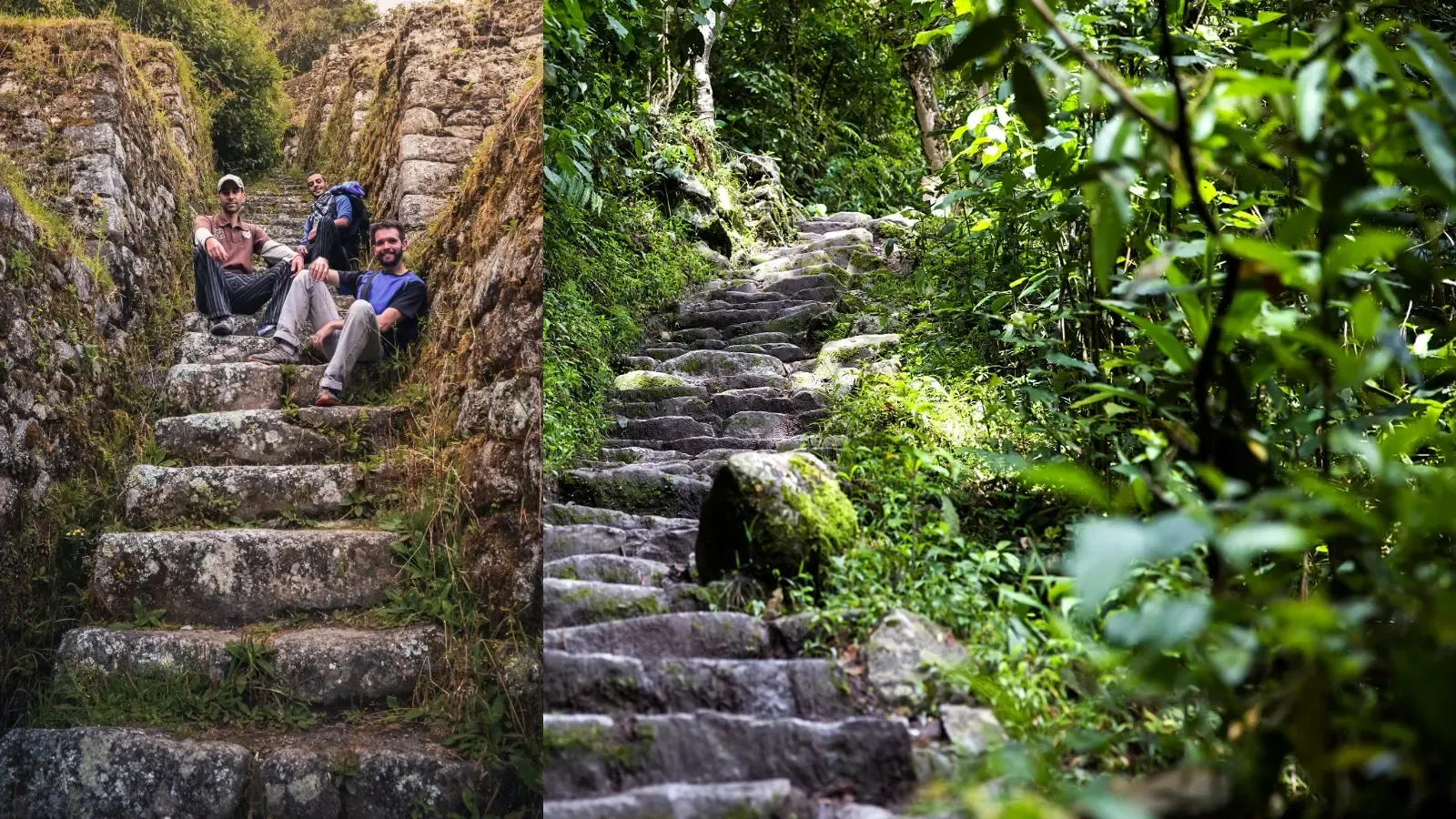
You hike 42 km over stairways and paving stones laid by the Incas in the 15th century.

 ← Back to experiences
Classic route
Qhapaq Ñan
The Classic Inca Trail is South America's most famous trek and, in our view, the best way to reach Machu Picchu: on foot, along the same stone road Inca runners used more than five centuries ago. It covers 42 km (26 miles) from Kilometer 82 in the Urubamba Valley to the Sun Gate, crossing high passes, cloud forest and a string of archaeological sites you can only see from this trail.
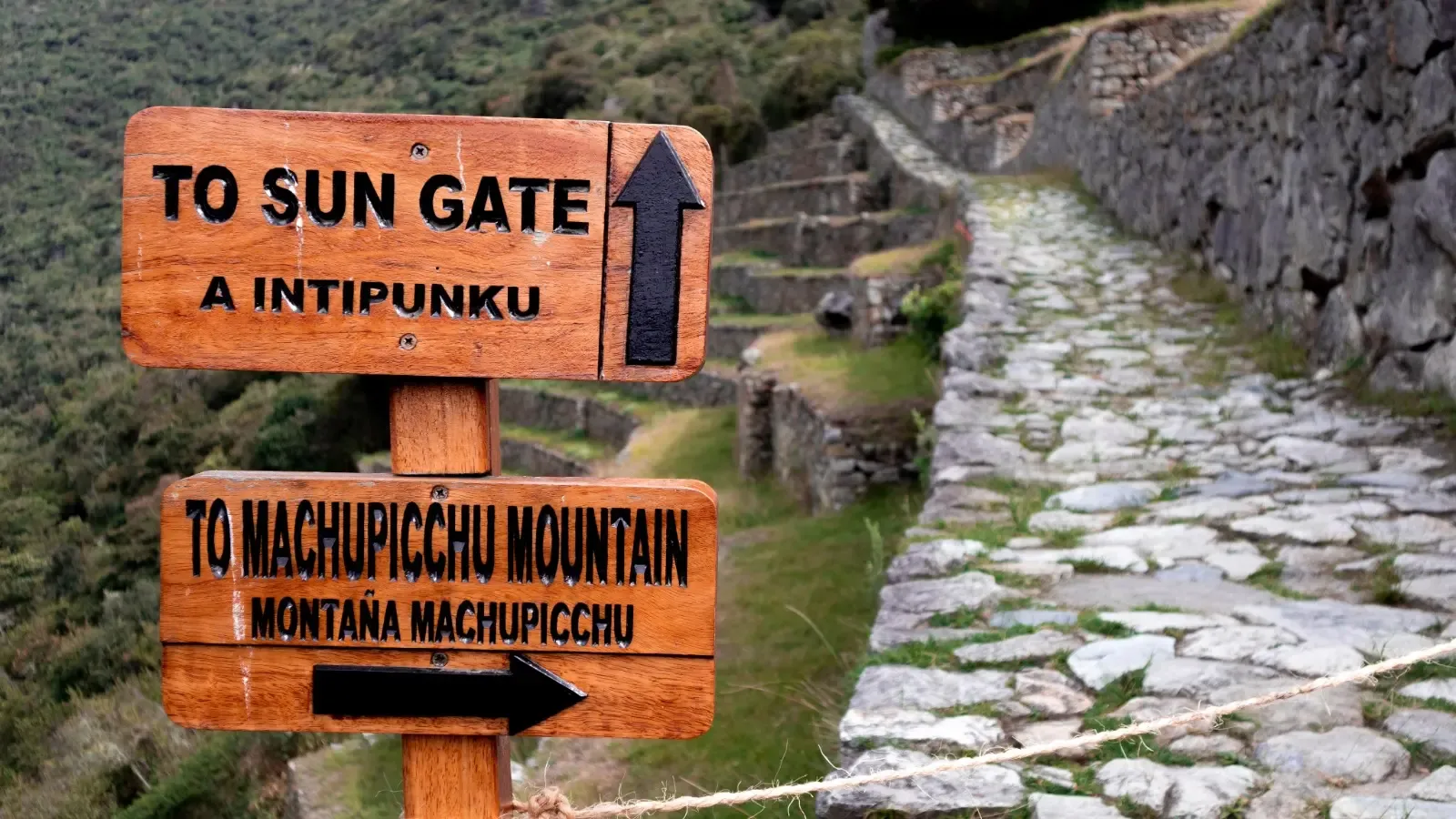
On day two you climb Dead Woman's Pass (4,215 m / 13,828 ft), the highest and hardest point. After that the trail becomes a journey through Runkurakay, Sayacmarca, Phuyupatamarca and Wiñay Wayna, with orchids, drifting mist and views of Salkantay and Veronica peaks. On day four you rise early to walk through the Inti Punku and see the citadel from above.
We take care of the official permits, porters, camping gear, the kitchen and your train back. You just hike at your own pace, in a small group, with guides born and raised in Cusco.
Trip highlights
You hike 42 km over stairways and paving stones laid by the Incas in the 15th century.
You top out at Warmiwañusca, 4,215 m (13,828 ft), the trek's big challenge and biggest reward.
Runkurakay, Sayacmarca, Phuyupatamarca and Wiñay Wayna have no road access at all.
You reach Inti Punku early and see Machu Picchu the way Inca pilgrims first saw it.
Porters and a cook carry the camp and serve hot, freshly made meals every day.
You pass through several ecosystems full of orchids, bromeliads and hummingbirds.
Your route day by day


All taken care of
Before you go
We need a copy of your valid passport when booking. Permits are personal and non-transferable.
Train on stairs: the trail has thousands of original stone steps.
Bring a 25 L daypack, layers, poncho, headlamp and rubber-tipped poles.
Frequently asked questions
As early as you can. Permits are sold only by Peru's Ministry of Culture to licensed operators, they're capped (about 500 people a day including guides, cooks and porters) and they're tied to your passport number. For May through September they usually sell out 4 to 6 months ahead; in the low season you may find space a couple of months out. We recommend sending us your passport details as soon as your dates are firm: we check live availability before charging anything. Once issued, a permit can't change name or date.
It's demanding, but people of many ages finish it with reasonable fitness. The hard part isn't the 42 km, it's the altitude and the steps: on day two you climb about 1,200 m to Dead Woman's Pass at 4,215 m (13,828 ft), then descend nearly 600 m on stone stairs. If you can hike 5 to 6 hours with ups and downs, you're ready. We suggest training for a few weeks with long walks or stair sessions and arriving in Cusco at least two days early. Our guides keep a relaxed pace and nobody hikes alone.
No. Every February the Inca Trail closes completely for maintenance and conservation work, which coincides with the peak of the rainy season. Machu Picchu itself stays open, so if you're traveling in February we'll suggest alternatives like the Salkantay trek or a train tour. January and March are open but wet: the path gets slippery and fog can hide the views. The dry season, May to September, brings clearer skies but colder nights, and those permits are the first to sell out.
Peruvian law protects porters and caps their load at roughly 20 kg, which is checked at official stations along the trail. That's why each hiker can give us up to 7 kg of personal gear, and that has to include your sleeping bag and pad. We hand you a duffel bag at the briefing. You only carry a daypack with water, snacks, a jacket, poncho, sunscreen, camera and passport. If you want to bring more, you can hire an extra porter. Keep in mind you won't see your duffel until camp each afternoon.
The official campsites have basic concrete restrooms that get busy in high season, so we bring a private toilet tent for our group only, which is far more pleasant. Realistically there are no showers: Wiñay Wayna has a few cold ones, but every morning and evening we bring you a bowl of warm water to wash up. We recommend packing biodegradable wet wipes, toilet paper and hand sanitizer. Carry a few coins as well for the restrooms at Piscacucho and in Aguas Calientes.
It can happen, mostly on day two. Cusco sits at 3,400 m (11,150 ft) and the trail's high point is Dead Woman's Pass at 4,215 m, though you sleep lower, between 2,650 and 3,600 m. The best prevention is arriving in Cusco at least 48 hours ahead, taking it easy those days, drinking plenty of water, skipping alcohol and trying coca tea. If you're considering acetazolamide, talk to your doctor before your trip. Our guides are trained in first aid, carry oxygen and keep an eye on how you feel throughout.
On day four you enter through the Sun Gate (Inti Punku), the original Inca entrance, and see the citadel from above. Then you walk down into the site for a guided tour of about two hours along the circuit the Ministry of Culture assigns to Inca Trail hikers; routes inside Machu Picchu are one-way and you can't double back. If you'd like to climb Huayna Picchu or Machu Picchu Mountain, book it with us from the start, since each has its own limited spots and fixed entry times.
Don't give up, there are great alternatives. The 2-day Short Inca Trail uses a different permit that is sometimes still available when the classic route is full. The 4 or 5-day Salkantay trek is higher and wilder, has no permit cap and still ends at Machu Picchu. You can also pair the Lares trek with a train ride. Please don't buy resale permits online: a named permit issued to someone else won't get you past the Piscacucho checkpoint, where rangers check your passport.
“The porters and the cook were incredible. Reaching the Sun Gate at sunrise was the most emotional moment of our South America trip.”
Keep exploring
 Short route 2 days / 1 night
Cusco · Km 104 · Wiñay Wayna · Sun Gate · Machu Picchu
 Best seller 5 days / 4 nights
Cusco · Humantay Lake · Salkantay Pass · Lucmabamba · Llactapata
Still have questions?
Private
Classic Inca Trail 4 Days
Tell us about your group and a travel advisor will contact you with a tailor-made proposal and price, with no obligation.