Inca Jungle to Machu Picchu 3 Days
← Back to experiences

Express

Inca Jungle to Machu Picchu 3 Days
bike, river and zipline on the way to the citadel

3 days / 2 nights Moderate Max. 14 travelers 4.7 (54 reviews)

Express adventure

Three days,
zero boredom.

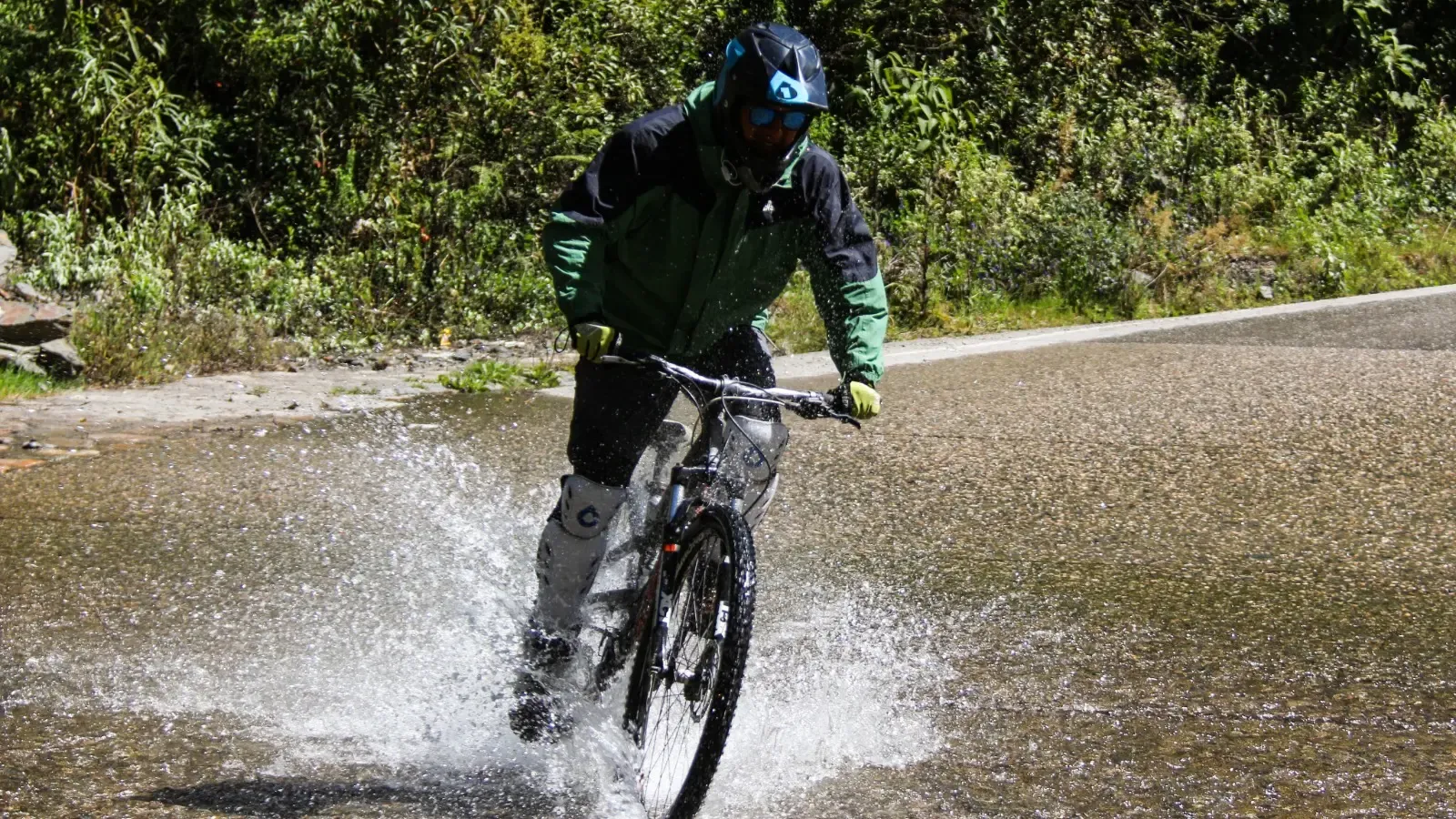
Short on time in Cusco but want to reach Machu Picchu in a more active way than the train? The 3-day Inca Jungle Trek is a great fit. It packs in the route's best moments: a downhill bike ride from Abra Málaga (4,316 m), afternoon rafting and the option to end the day soaking at the Cocalmayo hot springs.

On day two you zip across the valley near Santa Teresa and hike alongside the railway from Hidroeléctrica to Aguas Calientes, a flat, green stretch on the banks of the Vilcanota. Day three is a guided visit to Machu Picchu with an official guide before heading back to Cusco.

Unlike the 4-day version, this one skips the long Inca trail hike between Santa María and Santa Teresa, making it easier for travelers who don't hike much. We stay in simple hotels with hot showers and travel in small groups.

START / ENDCusco, Peru
MAX. ALTITUDE4,316 m
BEST SEASONApr — Nov
DISTANCE62 km

Trip highlights

Moments you will
take home

01

Ride down from Abra Málaga

Around 60 km of biking from high grassland to the jungle's edge, with a support vehicle.

02

Santa María River rafting

About an hour and a half of rapids with river guides, helmet and life jacket.

03

Cocalmayo Hot Springs

The option to end day one in open-air thermal pools.

04

Zipline in Santa Teresa

Four zipline cables and a hanging bridge high over the valley.

05

Hike to Aguas Calientes

About 11 flat kilometers along the train tracks and the Vilcanota River.

06

Guided Machu Picchu tour

About 2.5 hours with an official guide, prioritizing classic Circuit 2A.

Your route day by day
Elevation profile
01
DAY 1

Cusco — Abra Málaga — Santa María — Santa Teresa

Downhill biking from Abra Málaga, lunch, rafting and a transfer to Santa Teresa, with an optional soak at Cocalmayo.
  • Lunch · Dinner
  • Hotel in Santa Teresa (1,550 m)
60 km biking · rafting · 4,316 m
Cusco — Abra Málaga — Santa María — Santa Teresa
02
DAY 2

Santa Teresa — Zipline — Hidroeléctrica — Aguas Calientes

A morning ziplining over the valley, lunch at Hidroeléctrica and a 3-hour hike along the railway to Aguas Calientes.
  • Breakfast · Lunch · Dinner
  • Hotel in Aguas Calientes (2,040 m)
11 km · 3 h · 2,040 m
Santa Teresa — Zipline — Hidroeléctrica — Aguas Calientes
03
DAY 3

Machu Picchu — Return to Cusco

An early climb on foot or by bus, a guided tour of about 2.5 hours and the return to Cusco by van from Hidroeléctrica or, if booked, by train.
  • Breakfast
Guided tour · 11 km back · 2,430 m
Machu Picchu — Return to Cusco
Inca Jungle to Machu Picchu 3 Days

Day-by-day itinerary

01
DAY 1

Cusco — Abra Málaga — Santa María — Santa Teresa

  • Hike60 km
  • Duration3–4 h biking + 1.5 h rafting
  • Max altitude4,316 m
  • Sleep at1,550 m

We pick you up from your hotel first thing and drive through the Sacred Valley to Ollantaytambo for a breakfast stop. Then the road climbs to Abra Málaga at 4,316 m, the highest point of the trip, with Mount Verónica beside you. It's usually cold and misty up there, so bring a jacket and gloves.

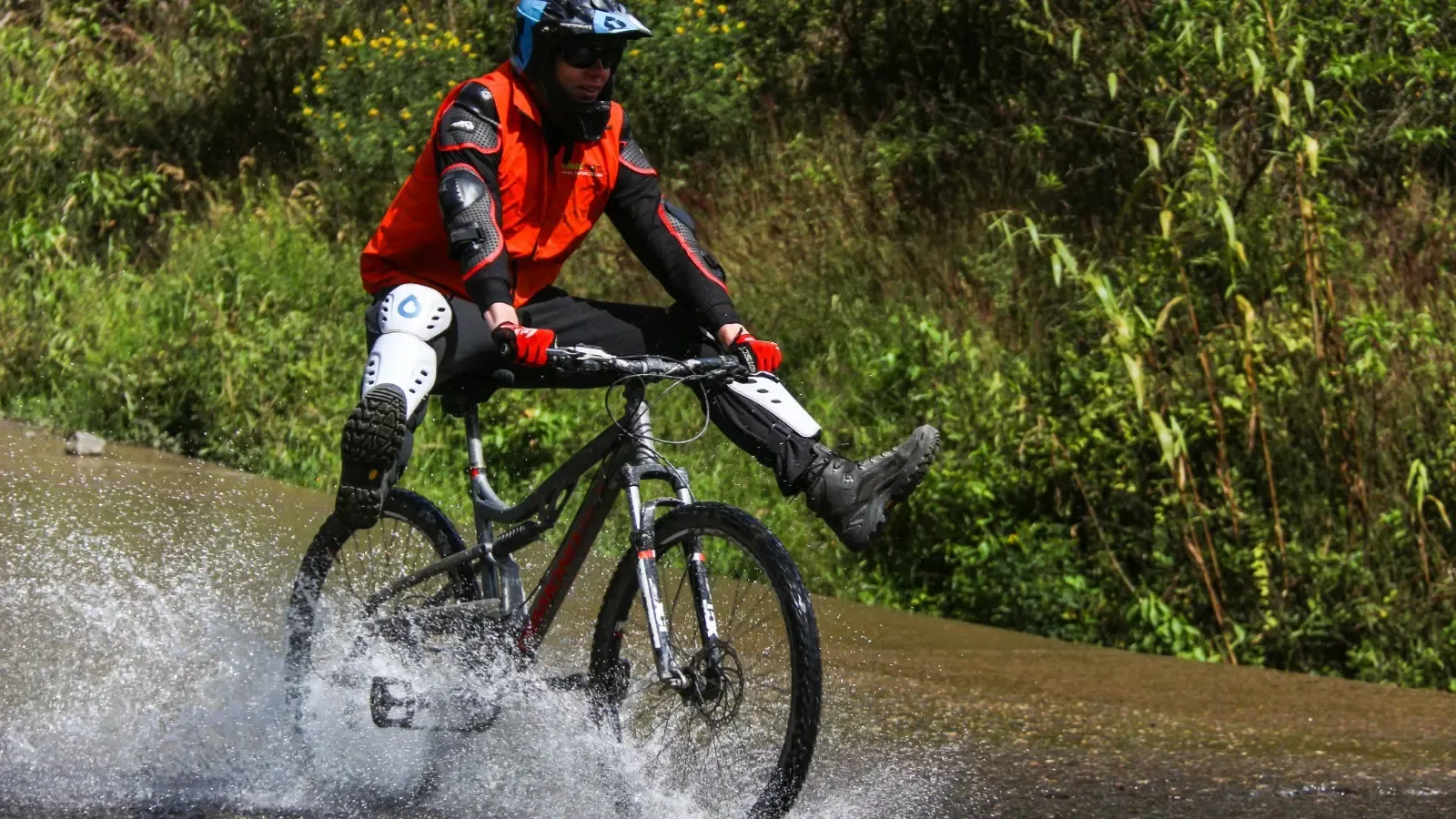
We hand out bikes, helmets and pads, run through the safety briefing and start riding down the paved road. Over 3 to 4 hours you'll cover around 60 km, moving from Andean grassland into cloud forest and on to the edge of the jungle. A guide rides ahead and the support vehicle follows; you can hop in whenever you like. Lunch is near Huamanmarca, next to a small Inca site.

In the afternoon we raft the Santa María River for about an hour and a half, water levels permitting. Afterward it's roughly an hour's drive to Santa Teresa (about 1,550 m). If you still have energy, you can spend a couple of hours at the Cocalmayo hot springs before dinner; the entrance fee is paid there. Overnight in a hotel with hot showers.

02
DAY 2

Santa Teresa — Zipline — Hidroeléctrica — Aguas Calientes

  • Hike11 km
  • Duration3 h hiking + 2 h zipline
  • Max altitude2,040 m
  • Sleep at2,040 m

Breakfast is around 6:30 am, then we head to the zipline center. The instructors fit harnesses, helmets and gloves and explain the technique before the first cable. The circuit has four ziplines crossing the valley high above the ground plus a hanging bridge; the whole experience takes about two hours. No experience is needed, and even people with a mild fear of heights usually manage fine by following the instructions.

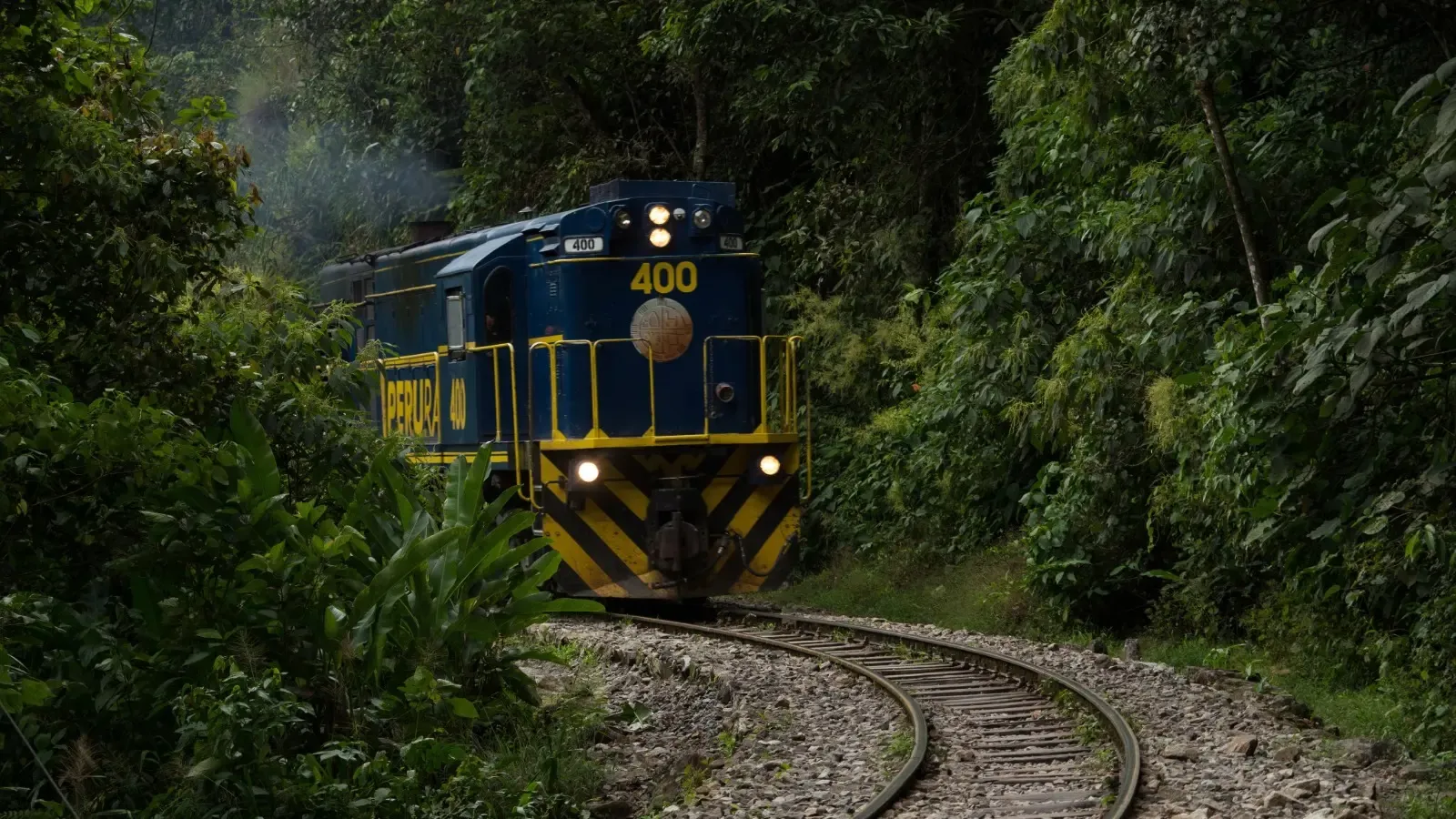
Next we drive for about an hour to Hidroeléctrica for lunch. From there we walk roughly 11 km in about 3 hours along the rails on the banks of the Vilcanota River. The ground is nearly flat and the vegetation thick: look for orchids and butterflies, and glance up at the slopes hiding Machu Picchu. Always walk beside the tracks and keep an ear out for passing trains.

We reach Aguas Calientes (about 2,040 m) by mid-afternoon and check into the hotel. You'll have free time to wander the town or rest. Over dinner, around 7:00 pm, your guide covers the next day's logistics: entry time, assigned circuit, documents and how to get up to the citadel.

03
DAY 3

Machu Picchu — Return to Cusco

  • Hike11 km
  • Duration2.5 h tour + 3 h hike back
  • Max altitude2,430 m

If you choose to hike up, we leave around 4:30 am: about 30 minutes to the Ruinas bridge, then roughly 1,700 stone steps that take an hour to an hour and a quarter. If you'd rather ride, breakfast is at 4:00 am and you'll catch one of the first buses around 5:30 am; the trip takes about 30 minutes and is paid separately.

Inside the citadel (2,430 m), your official guide leads you through the sectors your circuit covers for about 2.5 hours: agricultural terraces, the Temple of the Sun, ceremonial plazas and finely cut stone buildings. We book Circuit 2A first and, if it's full, alternatives such as 2B, 1B or 3B. Afterward you'll have some time for photos on your own within your circuit.

The standard return is by van: you head down and hike about 3 hours back to Hidroeléctrica, arriving by around 2:30 pm, followed by a 6–7 hour drive to Cusco, reaching town near 10:00 pm. If you booked the train return, you'll have lunch in Aguas Calientes, take an afternoon train to Ollantaytambo and then a bus to Cusco, arriving around 6:30–8:00 pm.

All taken care of

What your
experience includes

  • Pre-trip briefing (in person or online)
  • Hotel pickup in Cusco and transport to Abra Málaga
  • Downhill bike, helmet, gloves and pads, with support vehicle
  • Santa María River rafting with guides, life jacket and helmet
  • Zipline circuit with 4 cables and a hanging bridge
  • Transfers to Santa Teresa and from Santa Teresa to Hidroeléctrica
  • 2 hotel nights (Santa Teresa and Aguas Calientes) with hot showers
  • Meals as listed in the itinerary (2B, 2L, 2D), vegetarian or vegan on request
  • Professional bilingual guide (English/Spanish)
  • Official Machu Picchu entrance ticket (circuit subject to availability)
  • Guided Machu Picchu tour of about 2.5 hours
  • Return to Cusco by tourist van from Hidroeléctrica
  • First-aid kit and emergency oxygen

Before you go

Essential information

01

Gear included

Helmet, gloves, knee and elbow pads and reflective vest for the bike descent.

02

What to bring

Repellent, swimwear, sandals, windbreaker and a dry change of clothes.

03

Season

Rafting depends on river levels; from December to March it may be replaced by another activity.

Frequently asked questions

Answers to travel with peace of mind.

01Inca Jungle 3 days or 4 days: which one should I choose?

Both include the biking, rafting, zipline, the hike to Aguas Calientes and Machu Picchu. The 4-day version adds a full day of hiking on Inca paths through coffee farms to Cocalmayo, which many travelers remember as the most authentic part of the route. The 3-day trip is ideal if you're short on time or don't want to hike 7–8 hours in a day. If you're torn, look at your schedule: if you can spare one more day, we'd recommend the 4-day trek.

02How hard is it? Do I need mountain biking experience?

It's a moderate tour. The bike section is downhill on paved road, so you only need to ride confidently and control your brakes; no downhill experience required. Hiking means about 11 flat kilometers on day two and, on day three, the climb to Machu Picchu (optional by bus) plus the walk back to Hidroeléctrica if you return by van. The last day is actually the longest. Arrive with a couple of days in Cusco to acclimatize and you'll enjoy it.

03How safe are the rafting and zipline?

We work with local operators who use well-kept life jackets, helmets and harnesses and experienced guides. Before rafting you get a briefing on paddling and what to do if you fall in; in the rainy season the river can rise, and if conditions aren't right the activity is shortened or canceled. The zipline uses a double safety line. For kids, we recommend the tour from around age 12; please check with us first, as age and weight limits depend on each operator.

04What extra costs should I plan for?

Budget for breakfast on day one in Ollantaytambo (about USD 5–10), lunch on the last day, the Cocalmayo hot springs entrance (around PEN 10–20, it can change) and, if you'd rather not hike up, the Machu Picchu bus (about USD 12 each way). If you'd like to return by train instead of van, there's a supplement we'll quote when you book. Huayna Picchu or Machu Picchu Mountain cost roughly USD 60 extra and are booked together with your ticket.

05How far ahead should I book, and which Machu Picchu circuit will I get?

Tickets have daily caps and sell out months ahead in high season, so we recommend booking 3–4 months in advance and at least one month before. We prioritize Circuit 2A, the classic route; if it's full we look for 2B, 1B, 3B or whatever is available. No agency has access to extra tickets: everyone buys from the same official system. If your date is close, message us and we'll check real availability before charging you.

06Can I do it in the rainy season?

Yes, though the experience changes. From November to March it rains often in the high jungle, the downhill road can be wet and the river higher, so rafting is sometimes shortened or canceled. We don't run this route in February, when the rains are heaviest. The best time is April to October, with sunny, hot days in Santa Teresa and cool nights. If you travel in the wet season, bring a poncho and quick-dry clothes.

07Are there mosquitoes? What should I wear for such different climates?

Santa Teresa, Cocalmayo and the walk from Hidroeléctrica have mosquitoes and tiny biting flies, so apply repellent early and wear light long sleeves. The real challenge is the contrast: at Abra Málaga it can be near freezing at dawn, and a few hours later it's over 25 °C (77 °F). Dress in layers: a base layer, a warm jacket you can stuff in your pack and a waterproof shell. Sandals and a swimsuit come in handy at the hot springs.

08Are vegetarian meals available, and what do I do with my big luggage?

Yes, we offer vegetarian or vegan options at no extra cost; let us know when you book, along with any allergies or intolerances, and our team arranges it with the restaurants along the way. As for luggage, you carry your own backpack for the three days, so we suggest a 25–30 liter pack with just the essentials. Your large suitcase can stay free of charge at your Cusco hotel or our office until you return.

Still have questions?

Let's talk about your next adventure.

Talk to an expert
FromUS$ 250